
Ancient, sacred Hindu temple atop Nilachal Hill, renowned for goddess worship, tantric rituals, myths and the annual Ambubachi Mela festival
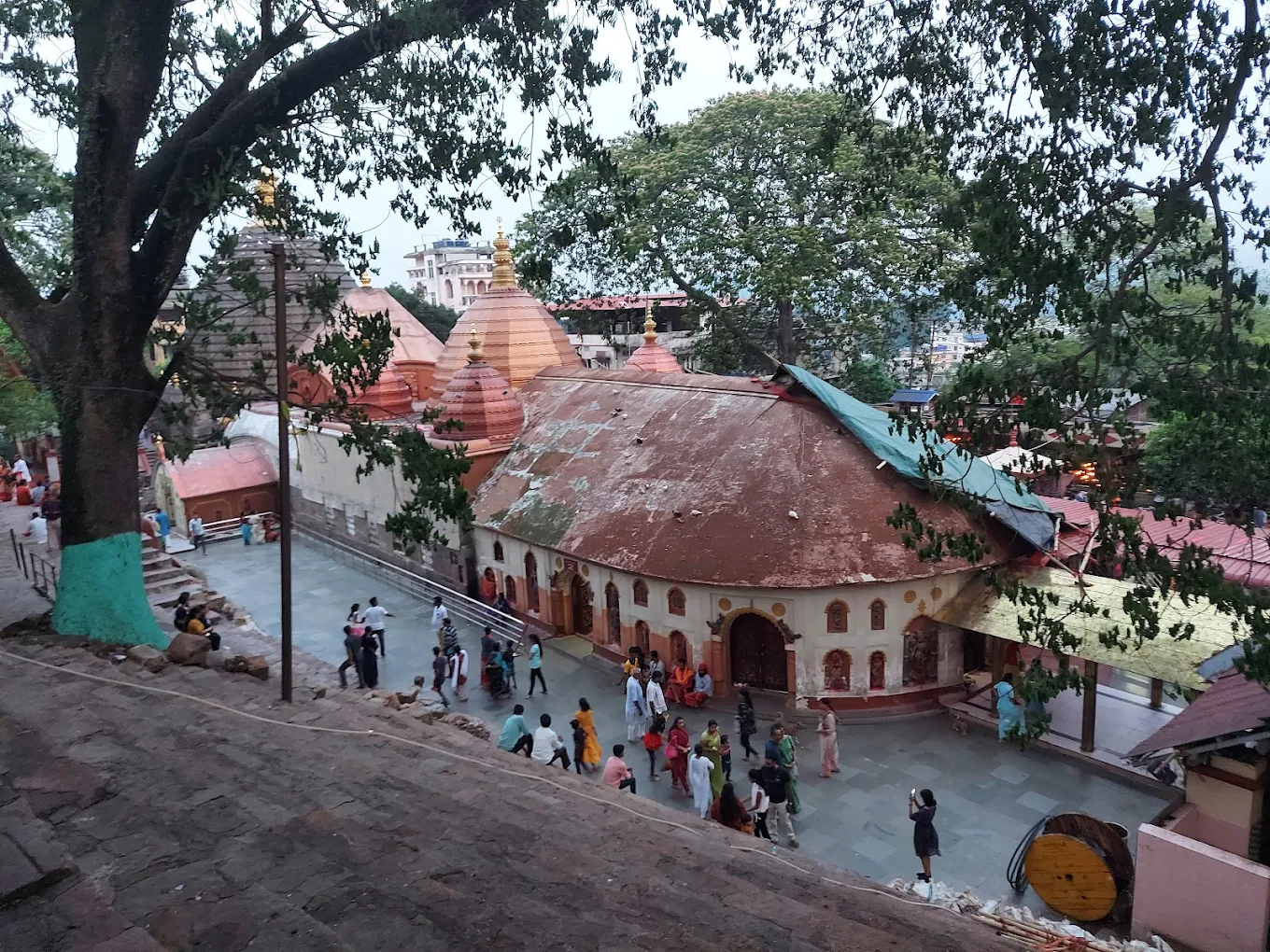
Maa Kamakhya Temple is one of India’s most revered and ancient Hindu temples, located atop the Nilachal Hill on the western outskirts of Guwahati. Renowned as the principal Shakti Peetha, the temple is dedicated to Goddess Kamakhya, embodying the creative and feminine force—Shakti.
Historical and Spiritual Significance
Ancient Origins: The temple’s origins date back to pre-Aryan times. Its current structure was rebuilt in the 16th century by the Koch kings after periods of ruin and renovation, blending multiple architectural styles through the ages.
Shakti Peetha: Kamakhya is regarded as the holiest of the 51 Shakti Peethas, believed to be where the yoni (reproductive organ) of Goddess Sati fell, as described in the legends of Shiva and Sati. This makes it a powerful site for Tantric worship, earning its title as the center of Tantric practices in India.
Architectural Features
Nilachal Style: The temple features a unique hybrid Nilachal architectural style with a polygonal dome (shikhara) atop a stone cruciform base. The dome resembles a beehive and is surrounded by smaller minaret-like structures.
Sanctum Sanctorum (Garbhagriha): Unlike other temples with idols, Kamakhya’s sanctum contains a rock fissure shaped like a yoni, fed by a perennial underground spring, symbolizing the goddess herself.
Complex Chambers: The temple consists of four main chambers: garbhagriha (sanctum), calanta (antechamber with a movable idol), pancharatna (five-shrine structure), and natamandir (assembly hall used for rituals and dances).
Ornate Carvings: Both interior and exterior walls are adorned with sculptures and carvings of Hindu deities, celestial beings, and rich motifs, highlighting Assam’s artistry.
Festivals and Rituals
Ambubachi Mela: The temple is world-famous for its annual Ambubachi Mela, a spiritual festival celebrating the goddess’s menstruation—known as the “Bleeding Goddess” ritual. Pilgrims and sadhus from all over India gather for powerful Tantric rituals, prayers, and festivities.
Daily Pujas: Devotees participate in morning and evening aratis, special Tantric rites, and offerings throughout the year, with peak activity during Navratri and other Hindu festivals.
Location and Visitor Experience
Scenic Views: Set on Nilachal Hill, the temple offers breathtaking panoramas of Guwahati and the mighty Brahmaputra River.
Accessibility: Easily reached from the city center via taxis, buses, or auto-rickshaws. Entry is open to all, but queuing for darshan during festivals is common due to large crowds.
Temple Complex: The wider complex features subsidiary shrines, gardens, souvenir shops, and facilities for devotees.
Unique Mystique
Tantric Legends & Iconography: Maa Kamakhya is depicted with twelve arms and six heads, crowned, bedecked in red flowers and jewels, representing intense spiritual power.
No Idol: Worship centers on the yoni-shaped rock, reinforcing the temple’s association with feminine generative energy and mysticism.