
Revered Shiva temple set on Umananda Island in the Brahmaputra, a classic city highlight.
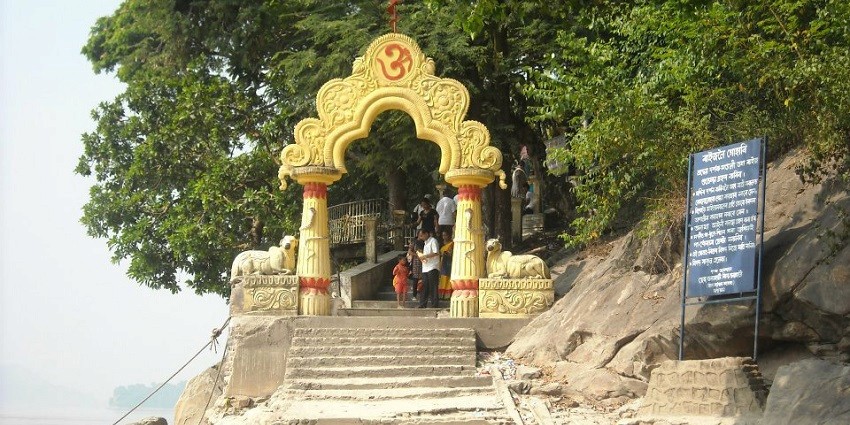
Overview
Umananda Temple is a Shiva shrine set on tiny Peacock (Urvashi) Island in the middle of the Brahmaputra River, reachable only by boat from Guwahati. Commissioned by Ahom king Gadadhar Singh in 1694, the temple’s rock faces bear engravings of Surya, Shiva, Ganesha, Devi, and sculptures linked to Vishnu’s ten avatars. A major portion was damaged in the 1897 earthquake and later rebuilt by a local merchant, who also added Vaishnavite inscriptions inside.
Essential info quick facts
Location: Peacock/Urvashi Island, mid‑Brahmaputra; access via ferries from Umananda Ghat (between SBI and Hotel Ashoka) and commonly from Kachari/Uzan Bazaar Ghat.
Access: Only by ferry or motor launch; there is no road bridge or walkway to the island.
Temple timings: Commonly reported as early morning to evening; sources list ranges such as 5:30 AM–6:00 PM or 6:00 AM–8:00 PM—confirm locally as hours can vary by season and day.
Ferry schedule: Government ferries usually run from morning until sundown; private boats may offer slightly broader timings, but schedules can fluctuate—check at the ghat.
Ferry fares: Government ferry about ₹40 return; private boats are significantly higher (roughly ₹300–₹800 return). Some travel sites quote specific services at ₹250 round‑trip—confirm at the ghat or on the Assam IWT app.
Time required: Plan ~1–2 hours end‑to‑end, given a 10–20 minute ferry each way and a short climb.
Steps: Around 230 steps up from the island jetty to the temple.
Entry fee: Temple darshan is free; you pay only for the ferry/boat.
Peak days: Very busy on Shivratri; also observe Shiva Chaturdashi and Monday Amavasya beliefs.
Best time to visit: Broadly November–May for pleasant weather and river conditions, excluding peak monsoon windows.
History and legends
Built in 1694 on royal instruction of King Gadadhar Singh of the Tai‑Ahom dynasty, with craftsmanship visible in extensive rock engravings and sculptures.
Severely affected by the 1897 Assam earthquake; later reconstructed by a wealthy local merchant, who added Vaishnavite inscriptions inside.
The hillock is called Bhasmachala. A legend says Kamadeva disturbed Shiva’s meditation here and was reduced to ashes by Shiva’s fiery anger.
As per Kalika Purana, Urvashi brought nectar for Kamakhya and resided here; hence the island’s alternate name, Urvashi Island.
Getting there
Reach the city ferry points: Umananda Ghat (between SBI and Hotel Ashoka) and commonly Kachari/Uzan Bazaar Ghat in Guwahati.
Buy tickets for a government ferry (budget option) or hire a private boat; government return fare is typically around ₹40 per person, with private boats costing more.
Check timings at the ghat or the official Assam IWT channels/app; government ferries run from morning to sundown and can be less frequent than private services.
The boat ride is short—roughly 10–20 minutes each way—offering river views en route to the island.
Return ferries operate through the afternoon; plan to leave well before sundown to avoid last‑boat rushes.
Festivals and rituals
Mahashivratri: One of the most important observances here, drawing large numbers of devotees annually.
Shiva Chaturdashi: Celebrated every year at the temple.
Monday Amavasya belief: Worship on a Monday new‑moon day is believed to bring special bliss to devotees.
Visitor tips
Go in the early morning for a calmer experience and softer light; aim to return before evening ferry slow‑downs.
Wear comfortable footwear for the 230 steps from the jetty to the shrine.
Be mindful of monkeys on the island; avoid carrying open food items.
Respect local norms; photography is restricted inside the sanctum/temple interiors.
Carry small cash for ferry tickets; check the Assam IWT app or counters for latest fares/schedules